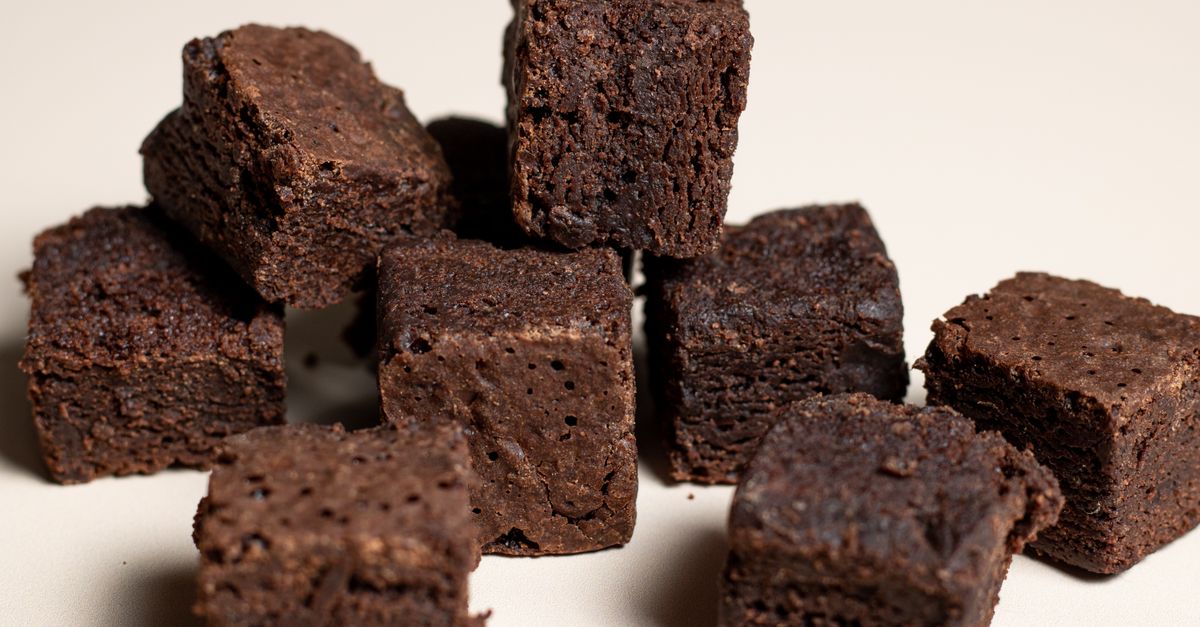
Why Your Homemade Brownies Are Cakey (And The Simple Shifts That Guarantee Fudgy Perfection Every Time)
There’s a special kind of disappointment that hits when you pull a batch of brownies from the oven, anticipating that rich, gooey, fudgy bite, only to find a dry, crumbly, cake-like texture staring back at you. I’ve been there more times than I care to admit. For years, I chased the elusive ‘bakery-style’ brownie, convinced it was a secret only professional pastry chefs knew. I tried countless recipes, tweaked oven temperatures, and even experimented with different kinds of chocolate, but the results were always just… fine. Never that deep, dark, intensely fudgy perfection I craved.
The mistake I see most often, and one I made for far too long, is treating brownies like chocolate cake. They are not the same. Brownies are their own unique entity, a delicate balance of fat, sugar, and flour, where slight adjustments lead to vastly different outcomes. What changed everything for me was understanding the science behind that fudgy texture and making a few strategic, counter-intuitive shifts in my approach. This isn’t about finding a magic ingredient; it’s about mastering the ratios and techniques that elevate your brownies from merely good to absolutely sublime.
Key Takeaways
- Reduce flour content and rely on fat for structure to achieve a denser, fudgier texture.
- Melt butter and chocolate together over low heat, avoiding oil, for a richer, more uniform emulsion.
- Incorporate more egg yolks than whites to boost fat and moisture, preventing a cake-like crumb.
- Gently mix ingredients and avoid overbaking to preserve moisture and prevent a dry, aerated texture.
The Flour Factor: Less is More for Fudgy Density
The single biggest culprit behind cakey brownies is often an excessive amount of flour. Think about it: what does flour do in baking? It provides structure. In cakes, you want a light, airy crumb, which requires a significant amount of flour to build that scaffolding. But for fudgy brownies, you’re aiming for the opposite – a dense, almost molten interior that collapses in your mouth. Adding too much flour essentially turns your brownie batter into cake batter.
In my experience, many standard recipes call for too much flour for a truly fudgy result. I’ve found that a ratio closer to 1 cup (120g) of all-purpose flour for every 1 cup (226g) of butter is ideal for a rich, dense brownie. If your recipe uses significantly more flour than that, it’s a red flag. For example, if a recipe suggests 1 ½ cups of flour for the same amount of butter, you’re heading straight for cakey territory. What actually works is to consciously reduce the flour. Instead of a cup and a half, try scaling back to just 1 cup or even ¾ cup for an even more intense fudge factor, especially if you’re using good quality chocolate.
The trick here is to let the fat and eggs do the heavy lifting for texture, not the flour. Flour absorbs moisture and creates gluten, both of which contribute to that bouncy, cake-like spring. By minimizing flour, you reduce gluten development and moisture absorption, allowing the other ingredients to create that signature dense, moist crumb. This isn’t about guesswork; it’s about a deliberate reduction to shift the structural balance of your brownie away from cake and towards fudge.
Master the Melt: Butter, Chocolate, and the Power of Emulsion
Another common mistake that leads to cakey results is how the fat (butter) and chocolate are handled. Many recipes suggest creaming butter and sugar, or using oil. While these methods have their place in other baked goods, they actively work against fudgy brownies.
For truly fudgy brownies, you need a stable emulsion of melted butter and chocolate. This creates a foundation that’s rich, uniformly moist, and helps keep air incorporation to a minimum. Here’s what changed everything for me:
- Always use butter, not oil, for the primary fat. Butter not only contributes incredible flavor but its milk solids and water content interact differently with the chocolate and other ingredients than oil, creating a richer texture. Olive oil, for instance, might be healthy, but it gives brownies a greasy, less luxurious feel.
- Melt butter and chocolate together. Do this gently over a double boiler or in a microwave at 50% power, stirring frequently, until just smooth. Avoid high heat, which can scorch the chocolate and separate the butter. This combined melting process creates a homogenous, glossy base that traps moisture and fat effectively. When you melt them separately, or just use oil, you lose that essential emulsification that contributes to the fudgy texture. The chocolate should be good quality; I typically use a bittersweet or semi-sweet chocolate bar (around 60-70% cacao) chopped, or high-quality chocolate chips. Cocoa powder alone often yields a drier brownie without that deep, complex chocolate flavor.
This melted butter and chocolate mixture, once slightly cooled, forms a decadent, stable base that ensures your brownies stay dense and moist, rather than becoming aerated and cakey.
Egg Ratios: The Yolk is Your Fudgy Friend
Eggs are a binding agent, but their composition—yolks versus whites—plays a critical role in texture. Egg whites contribute to leavening and a lighter, airier texture, while egg yolks are rich in fat and lecithin, an emulsifier, which adds moisture and richness. If your brownies are too cakey, your egg ratio might be off.
In my experience, a slightly higher proportion of egg yolks to whites is a game-changer for fudginess. Many recipes call for 2 whole eggs. I’ve found that for a standard 8x8 inch pan, using 2 whole eggs plus an additional egg yolk makes a noticeable difference. The extra yolk boosts the fat content without adding too much protein or leavening, resulting in a denser, chewier, and distinctly fudgier brownie. This is a subtle but powerful shift. The additional fat from the yolk helps to tenderize the crumb and keep it moist, countering any tendency towards dryness that could arise from the other ingredients.
Just remember to slightly whisk the eggs before adding them to the cooled chocolate mixture. This ensures they incorporate evenly without scrambling, but don’t over-whisk, as you want to avoid incorporating too much air.
The Gentle Mix & Mindful Bake: Preventing Air and Overcooking
How you mix your batter and how long you bake it are the final, crucial pieces of the fudgy brownie puzzle. Over-mixing incorporates too much air, and over-baking dries out the brownies, both pushing them towards that undesirable cakey consistency.
1. Mix Gently, Not Vigorously: Once you’ve combined your melted chocolate-butter mixture with the sugar and eggs, it’s time for the dry ingredients. Add the flour (and any cocoa powder, if using) and mix just until combined. Stop as soon as you see no streaks of dry flour. Over-mixing develops gluten, leading to a tougher, more elastic, and ultimately cakey texture. A spatula or a wooden spoon is your best friend here, not an electric mixer on high speed. The goal is to fold, not beat, the ingredients together.
2. Don’t Overbake: This is perhaps the most critical rule for fudgy brownies. An overbaked brownie is a dry, cakey brownie, plain and simple. Brownies continue to cook slightly after they come out of the oven, so it’s essential to pull them out when they still look slightly underdone in the center.
What actually works is to rely on visual cues and the toothpick test, but with a fudgy twist. Bake at 350°F (175°C) for an 8x8 pan, but start checking at 20-25 minutes. A toothpick inserted into the center should not come out clean. Instead, it should have moist crumbs clinging to it, or even be slightly gooey. If it comes out completely clean, you’ve gone too far. The edges should be set, but the center should still have a slight wobble. This gooey center will set up as the brownies cool, transforming into that coveted fudgy texture.
I typically aim for my toothpick to come out with moist, fudgy crumbs. If it’s pure liquid batter, give it a few more minutes. But if it’s clean, it’s already too late for peak fudginess. Trust me, pulling them out slightly early feels wrong, but it’s the secret to that perfectly soft, chewy, and decadent interior.
Frequently Asked Questions
Can I use oil instead of butter for fudgy brownies?
While you can use oil, it typically results in a greasier brownie with less depth of flavor and a texture that’s less rich and fudgy than those made with butter. Butter’s milk solids and specific fat composition contribute significantly to the desired texture and taste.
My brownies have a crackly top, but are still cakey. What happened?
A crackly top is a good sign of proper sugar and egg interaction, but it doesn’t guarantee fudginess. If they’re cakey, you likely used too much flour, over-mixed the batter, or overbaked them. Focus on reducing flour, using more egg yolks, and pulling them from the oven when still slightly gooey in the center.
What kind of chocolate is best for fudgy brownies?
For the deepest, fudgiest flavor and texture, use good quality bittersweet or semi-sweet chocolate (around 60-70% cacao) in bar form, chopped, or high-quality chocolate chips. Avoid milk chocolate as it makes them too sweet, and unsweetened chocolate without enough sugar will be too bitter.
How do I prevent over-mixing the brownie batter?
When adding dry ingredients (flour, cocoa powder), mix gently with a spatula or wooden spoon just until no streaks of dry flour remain. The moment the ingredients are combined, stop. Over-mixing develops gluten, leading to a tougher, more cake-like texture.
How can I tell when fudgy brownies are done without overbaking?
Fudgy brownies should be removed from the oven when the edges are set but the center still has a slight wobble. A toothpick inserted into the center should not come out clean; it should have moist, fudgy crumbs clinging to it. If it comes out clean, they’re likely overbaked and will be cakey.
Achieving truly fudgy brownies isn’t about some secret ingredient; it’s about respecting the specific science of brownie baking. By dialing back the flour, harnessing the power of melted butter and chocolate, leaning into egg yolks, and mastering a gentle mix and precise bake time, you’ll consistently produce brownies that are rich, dense, and utterly irresistible. Say goodbye to cakey disappointment and hello to decadent, fudgy perfection. Your taste buds (and your friends) will thank you for it.
Written by Chloe Davies
Home & Practical Skills
A creative professional, Chloe brings a practical eye to topics like home organization, simple living, and managing side hustles.
You Might Also Like
Why Your Homemade Soup is Bland (And The Flavor Secrets That Changed Everything For Me)
Discover why your homemade soups lack depth and learn the flavor secrets that transform them from bland to brilliant every time.
Why Your Homemade Sauces Are Too Thick or Gummy (And The Pro Secrets for Silky Perfection Every Time)
Stop settling for gummy, thick sauces. Discover the pro secrets to achieve silky smooth, perfect consistency every time for your homemade creations.
Why Your DIY Firewood Pile Collapses (And The Pro Stacking Secrets That Last All Winter)
Stop your firewood pile from collapsing! Learn the pro stacking secrets that ensure stability, proper drying, and last all winter.