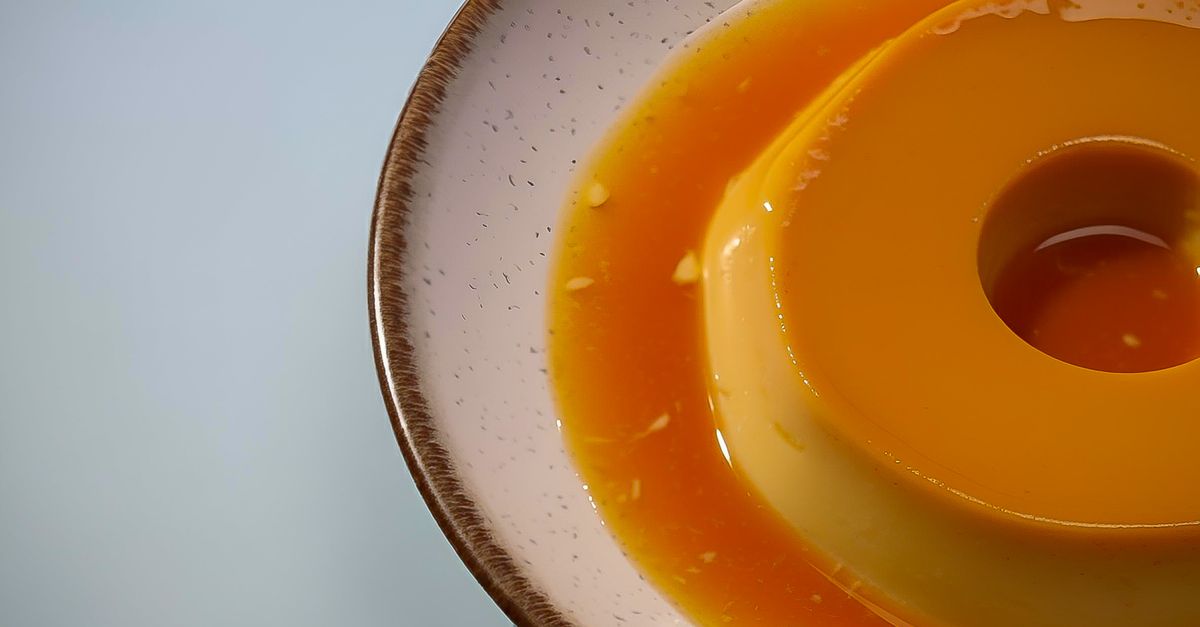
Why Your Homemade Sauces Are Too Thick or Gummy (And The Pro Secrets for Silky Perfection Every Time)
You’ve spent time carefully preparing a beautiful meal, the aromas filling your kitchen. The main course is perfect, the sides are steaming, and now for the grand finale: your homemade sauce. You pour it over your pasta, drizzle it over your roast, or spoon it onto your vegetables, only to find… it’s a gloopy, sticky, or unpleasantly thick mess. It clings rather than coats, leaving a heavy, gummy sensation on the tongue. In my experience, this is one of the most disheartening kitchen failures, because a perfect sauce can elevate a dish from good to unforgettable, while a poor one can sink the whole meal. It happened to me more times than I care to admit, especially with gravies and cheese sauces, until I started questioning every step.
The mistake I see most often, and one I made for years, is blaming the recipe or simply accepting that homemade sauces are just “like that.” But the truth is, a silky, luxurious sauce is not only achievable at home, but surprisingly simple, once you understand the core principles. It’s about more than just adding more liquid; it’s about controlling the starch, fat, and heat in a precise dance that most home cooks miss. What changed everything for me wasn’t a magic ingredient, but a deeper understanding of why sauces go wrong and the proactive steps to prevent it, rather than trying to fix it after the fact.
Key Takeaways
- Too much starch, inadequate fat, or insufficient cooking time are the primary culprits behind thick, gummy sauces.
- Achieving a perfectly silky sauce hinges on a well-cooked roux or slurry, ensuring the starch fully hydrates and expands.
- The gradual addition of hot liquid, whisking continuously, is crucial for preventing lumps and achieving a smooth consistency.
- Fat content plays a vital role in carrying flavor and preventing a thick sauce from feeling heavy or starchy on the palate.
The Overlooked Power of a Properly Cooked Roux (or Slurry)
Most recipes will tell you to make a roux or a slurry to thicken a sauce, and that’s correct. But where most home cooks, myself included for a long time, go wrong is in the execution of that roux or slurry. It’s not just about mixing flour and fat, or cornstarch and water; it’s about cooking the starch thoroughly. If you’ve ever tasted a sauce that has a raw flour flavor, or feels heavy and pasty, it’s almost certainly because the starch wasn’t cooked long enough.
For a roux (flour and fat), you need to cook it gently for at least 2-3 minutes after the flour is incorporated, sometimes longer if you’re aiming for a blonde or brown roux. This isn’t just about color; it’s about giving the starch granules time to burst and expand, losing that raw, pasty taste and smell. The fat in the roux encapsulates the starch, preventing it from clumping when liquid is added. Without this crucial cooking time, your sauce will thicken, but it will taste dull, heavy, and likely too thick.
With slurries (cornstarch or arrowroot powder mixed with a cold liquid), the principle is similar but the application is different. A slurry is added after the main liquid comes to a simmer. The mistake here is often adding too much at once or not letting it cook long enough once added. Cornstarch needs to boil for at least 1 minute to reach its full thickening power and lose its raw taste. Arrowroot powder is more delicate and shouldn’t be boiled, but still needs a good minute or two to thicken off-heat after stirring in. If your sauce is gummy, it might be because you added the slurry, saw some thickening, and immediately served it, without giving the starch time to fully do its job and mature.
The Critical Role of Liquid Temperature and Gradual Addition
This is perhaps the single biggest game-changer for me. For years, I would add cold milk or broth directly to a hot roux, or dump a slurry into lukewarm liquid. The result? Lumps, uneven thickening, and eventually, a sauce that was simultaneously too thick in places and too thin in others, then trying to ‘fix’ it with more thickener, leading to an inevitable gummy disaster. What actually works is simple: always add hot liquid to a hot roux, or gradually add hot liquid while whisking vigorously to a slurry.
When you add cold liquid to hot starch, the temperature shock causes the starch granules to seize up and clump together. This creates pockets of uncooked starch that refuse to dissolve, leading to a lumpy texture that no amount of whisking can fully resolve. Instead, heat your milk, broth, or water in a separate saucepan until it’s steaming hot, just shy of boiling. Then, when incorporating into your roux, add it gradually, a little at a time, whisking continuously. Start with a small amount, like 1/4 cup, to create a thick paste, then slowly add the rest. This allows the starch to hydrate smoothly and evenly, preventing lumps and ensuring a silky, consistent texture. The process should feel less like mixing ingredients and more like emulsifying them.
For slurries, while the liquid is already simmering, adding the cold slurry in a thin, steady stream while whisking prevents localized thickening and ensures even distribution. If you dump it all in, you risk creating large, gummy pockets of starch that are impossible to break down.
Don’t Skimp on the Fat: Flavor and Texture Carrier
When I was trying to make my sauces ‘healthier,’ I often cut down on the butter or oil in my roux. Big mistake. While it might seem counterintuitive, adequate fat is essential not just for flavor, but for achieving that luxurious, silky texture. A proper roux uses equal parts fat and flour by weight (or a little more fat by volume). The fat serves several crucial purposes:
- Prevents Lumps: As mentioned, the fat coats the flour particles, preventing them from clumping together when hot liquid is added. Think of it as a protective barrier.
- Carries Flavor: Fat is a fantastic flavor carrier. A sauce made with sufficient fat won’t just be thick; it will taste richer and more nuanced. A low-fat sauce, even if perfectly thickened, can often taste flat or thin, and the starchiness will be more pronounced.
- Smooth Mouthfeel: Fat provides lubricity, contributing to a smooth, velvety mouthfeel. Without enough fat, a thick sauce can feel heavy, starchy, and indeed, gummy. It’s the difference between a sauce that glides across your tongue and one that sticks to it.
If you’re using a slurry and not starting with a fat base, consider finishing your sauce with a swirl of butter or a drizzle of good quality olive oil right before serving. This technique, called monter au beurre in French cuisine, instantly adds gloss, richness, and improves the overall mouthfeel, making the sauce feel less thick and more luscious. It’s a professional trick that makes a huge difference in the final product.
The Final Whisk: Strain and Emulsify for Perfection
Even with all the right steps, sometimes tiny lumps persist, or the sauce might still feel a little heavier than you’d like. This is where professional kitchens often employ two final, often skipped, steps: straining and emulsifying.
After your sauce has cooked to your desired consistency, pass it through a fine-mesh sieve or chinois. This will catch any rogue lumps of starch, tiny bits of browned roux that might have overcooked, or any small pieces of herbs or aromatics you don’t want in the final, smooth product. You’ll be surprised how often this seemingly minor step transforms the texture from ‘good’ to ‘gourmet’. For delicate sauces, this is non-negotiable.
Finally, for that truly restaurant-quality sheen and velvety finish, consider a quick emulsification right before serving. This can be done with an immersion blender, a regular blender (carefully, for hot liquids), or even just vigorous whisking. Incorporating a bit of air and breaking down any remaining microscopic starch clusters will create a lighter, more homogenous texture. If you’re using butter to finish (as in monter au beurre), this whisking helps emulsify the butter into the sauce, giving it that glossy, almost ethereal quality. This is especially effective for cheese sauces or hollandaise-style preparations where a stable emulsion is key to preventing gumminess and achieving richness without heaviness.
By incorporating these principles – truly cooking your starches, managing liquid temperature, embracing the role of fat, and finishing with a strain and emulsify – you’ll move past gummy, heavy sauces and consistently achieve that coveted silky perfection every time. It’s a learning curve, but the reward is undeniably worth it.
Frequently Asked Questions
Q: My sauce is already too thick and gummy. Can I fix it?
A: Yes, sometimes. The first step is to thin it gradually with warm liquid (broth, milk, or water), whisking constantly until it reaches your desired consistency. Be careful not to add too much at once. If it tastes pasty, it means the starch wasn’t fully cooked. To remedy this, you can try gently simmering it for another 5-10 minutes after thinning, stirring frequently, to give the starch more time to cook out. Passing it through a fine-mesh sieve can also remove any stubborn lumps, improving the texture significantly.
Q: What’s the best thickener to avoid gumminess: flour or cornstarch?
A: Both can be used successfully without gumminess if handled correctly. Flour, typically used in a roux, provides a more opaque, creamy consistency and is less prone to breaking down under prolonged heat. Cornstarch, used in a slurry, creates a more translucent, glossy finish and offers stronger thickening power, but can become stringy or break down if boiled for too long or subjected to excessive shearing (like vigorous blending) after thickening. For rich, opaque sauces like gravies or béchamel, flour is often preferred. For clear, vibrant sauces or fruit preparations, cornstarch works well. Arrowroot powder is another option for clear sauces, often used for delicate flavors, but should not be boiled.
Q: Why does my cheese sauce sometimes turn gritty or gummy?
A: Grittiness in cheese sauce is often due to overheating the cheese or adding it too quickly. Cheese contains proteins that seize and separate when exposed to high heat for too long, releasing fat and leaving behind a gritty texture. To avoid this, always add shredded cheese off the heat, or over very low heat, in small batches, stirring until each addition is melted and smooth before adding more. A well-made béchamel (flour, butter, milk base) provides a stable emulsion for the cheese. Gumminess can also result from too much starch in the béchamel or insufficient cooking of the roux, as discussed in the article.
Q: Can I use vegetable oil instead of butter for a roux?
A: Yes, you can use vegetable oil, canola oil, or even clarified butter for a roux. The choice of fat will slightly affect the flavor profile of your sauce (e.g., olive oil adds a distinct flavor), but it will still perform the thickening function. The key is to ensure equal parts fat and flour and to cook the roux thoroughly. Butter often provides a richer flavor and mouthfeel, which is why it’s a classic choice for many sauces.
Q: How do I prevent a cream sauce from breaking or separating?
A: Cream sauces often break due to overheating, too rapid temperature changes, or adding acidic ingredients too quickly. To prevent this:
- Temper acidic ingredients: If adding wine or lemon juice, reduce them first, cool slightly, then slowly whisk them into a small amount of the hot cream sauce before combining the rest.
- Add cream last: Often, it’s best to add cream or dairy at the end of the cooking process, allowing it to gently heat through without boiling.
- Use full-fat dairy: Lower-fat dairy products are more prone to curdling. Full-fat cream, half-and-half, or whole milk provide more stability.
- Avoid vigorous boiling: Simmer gently, don’t hard boil, once cream is added. For sauces thickened with a roux or starch, this stability is further enhanced.
Achieving that perfect, luscious sauce takes a little practice and attention to detail, but with these pro tips, you’ll be well on your way to elevating every meal. Pay close attention to your roux or slurry, manage your liquid temperature, embrace the role of fat, and don’t skip those final whisking and straining steps. Your taste buds will thank you. Now go forth and conquer those culinary creations with confidence!
Written by Chloe Davies
Home & Practical Skills
A creative professional, Chloe brings a practical eye to topics like home organization, simple living, and managing side hustles.
You Might Also Like
Why Your Homemade Soup is Bland (And The Flavor Secrets That Changed Everything For Me)
Discover why your homemade soups lack depth and learn the flavor secrets that transform them from bland to brilliant every time.
Why Your DIY Firewood Pile Collapses (And The Pro Stacking Secrets That Last All Winter)
Stop your firewood pile from collapsing! Learn the pro stacking secrets that ensure stability, proper drying, and last all winter.

Why Your Home Humidifier Isn't Working (And The Simple Fixes Most People Miss)
Is your humidifier struggling to keep your home comfortable? Discover the overlooked reasons and simple fixes for optimal performance.