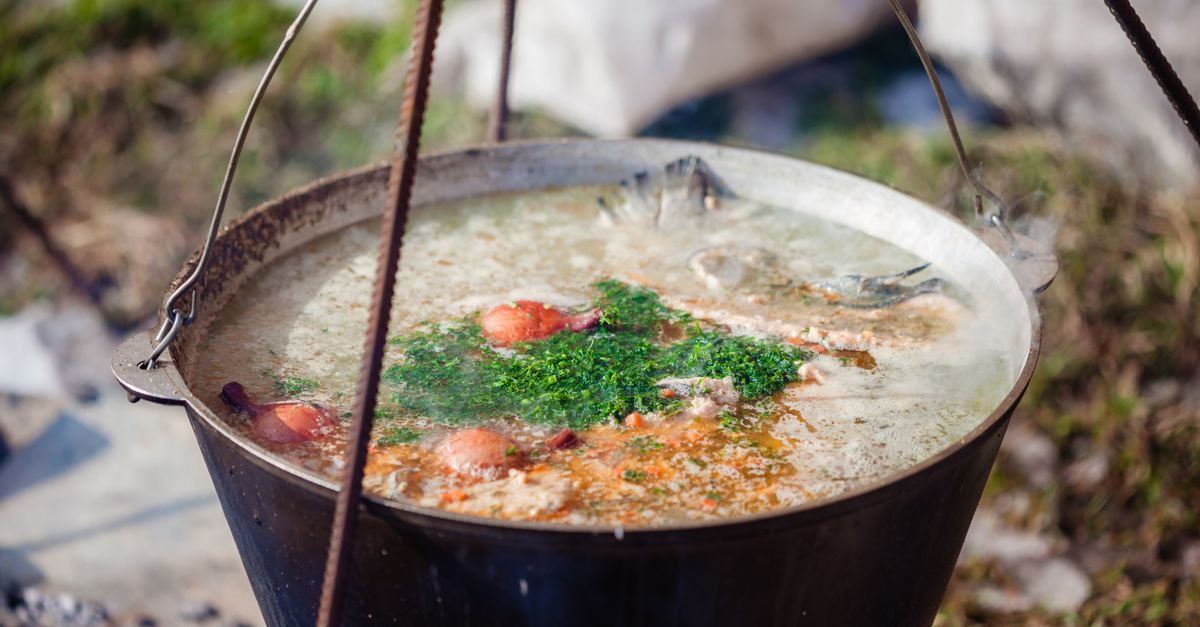
Why Your Homemade Soup is Bland (And The Flavor Secrets That Changed Everything For Me)
There’s nothing quite like a hearty bowl of homemade soup to warm you from the inside out. Or so the saying goes. In reality, for years, my homemade soups were… fine. Perfectly edible, sure, but they lacked that soul-satisfying depth, that elusive ‘oomph’ you find in a really good restaurant soup or a beloved family recipe. My chicken noodle soup tasted vaguely of chicken, my vegetable soup was just… watery cooked vegetables. I’d follow recipes diligently, add a pinch of salt and pepper, and still end up with a bowl that felt like it was missing something fundamental.
I used to think soup was inherently simple, almost foolproof. You combine ingredients, simmer, and voilà. But time and again, I was left with a bland, one-dimensional broth that just didn’t hit the mark. It wasn’t until I started to understand the why behind the blandness—the subtle, often overlooked culinary techniques and ingredient choices—that my soup game truly changed. What I learned wasn’t just about adding more salt; it was about building flavor from the ground up, in layers that deepen and intertwine.
Key Takeaways
- Build a robust flavor foundation by properly browning aromatics and meat before adding liquids.
- Embrace umami-rich ingredients like tomato paste, mushrooms, or Parmesan rinds to add savory depth.
- Layer your seasonings, adding salt and herbs at different stages of cooking, and finishing with fresh elements.
- Make or use high-quality homemade stock, as it’s the backbone of any truly flavorful soup.
The Fundamental Failure: Not Building a Flavor Foundation
Most recipes tell you to ‘sauté the onions’ or ‘brown the meat.’ For years, I approached this as a mere prerequisite to cooking, doing just enough to get the job done before tossing in the next ingredient. The mistake I see most often, and one I made for far too long, is underestimating the power of proper browning and caramelization. This step isn’t just about cooking; it’s about building a foundational layer of flavor that carries through the entire dish.
Think about it: raw onions taste pungent, but slowly caramelized onions are sweet, complex, and deeply savory. The same goes for meat. Simply boiling chicken yields a flat flavor, but searing it first creates a rich, browned crust that adds incredible depth to your broth. This is the Maillard reaction in action, a chemical process that creates hundreds of new flavor compounds. Skipping or rushing this step leaves you with a pale, uninteresting starting point for your soup.
What changed everything for me was spending an extra 5-10 minutes on this initial stage. I now make sure my pot is adequately hot (medium-high heat for most things), use enough fat (butter, olive oil, or rendered bacon fat work wonders), and give my aromatics (onions, carrots, celery) ample time to soften, sweat, and just begin to turn golden. If I’m browning meat, I ensure it has plenty of space in the pot to sear, not steam, and develop a beautiful, deep brown crust. Don’t crowd the pan, work in batches if necessary, and scrape up those browned bits (the fond) with a splash of liquid, as that’s pure flavor.
Overlooking the Umami Powerhouses
If your soup tastes ‘empty’ or like it’s missing something even after seasoning, you’re likely lacking umami. Umami is that fifth basic taste, the savory, meaty, satisfying quality that makes food deeply flavorful. Many home cooks, myself included, focus on salt, sour, sweet, and bitter, but forget to consciously incorporate umami. Without it, your soup can taste flat, even if it’s perfectly seasoned otherwise.
My personal game-changers for umami in soup were tomato paste, Parmesan rinds, and dried mushrooms. A tablespoon or two of tomato paste, cooked down for a few minutes with your aromatics until it darkens and caramelizes slightly, adds a subtle sweetness and incredible savory depth that is unmatched. For cheese lovers, tossing in a discarded Parmesan rind while your soup simmers is pure magic. It slowly dissolves, infusing the broth with a rich, salty, nutty flavor you can’t get any other way. And a handful of dried porcini mushrooms, rehydrated and then chopped, adds an earthy, intense umami boost, especially for vegetarian soups.
Other umami heroes include soy sauce (even a tiny splash can transform a broth), fish sauce (use sparingly, it mellows beautifully), anchovy paste (seriously, you won’t taste fish, just savory depth), nutritional yeast, and even a dash of MSG if you’re open to it. Experimentation here is key. Adding even one of these elements can elevate a bland soup to something truly memorable.
The Pitfall of ‘One-and-Done’ Seasoning
I used to add all my salt and dried herbs at the beginning, assuming they would infuse over time. While true for some ingredients, this ‘one-and-done’ approach often leads to uneven seasoning and a lack of vibrancy. Seasoning is not a singular event; it’s a process of layering flavors throughout the cooking.
The biggest shift for me was understanding that salt needs to be added at different stages. Seasoning your aromatics as they cook helps draw out moisture and build flavor. Seasoning your broth to taste after it has simmered and reduced allows you to adjust accurately. And finally, a final touch of salt at the very end, just before serving, brightens all the flavors.
Beyond salt, consider the type and timing of your herbs. Dried herbs, like oregano, thyme, and bay leaves, benefit from simmering to release their flavors, so add them with your liquids. Fresh herbs, however, are best added towards the end of cooking or as a garnish. Think fresh parsley, cilantro, or dill for a burst of color and aromatic freshness that would be lost if cooked for too long. A squeeze of lemon juice or a dash of vinegar at the end can also act like a seasoning, brightening the entire dish and making flavors ‘pop.’ It’s about balance and ensuring each layer contributes to the overall complexity.
The Stock Dilemma: The Backbone You’re Neglecting
Let’s be honest, many of us reach for boxed broth or bouillon cubes out of convenience. And while they have their place, relying solely on them is a major reason your homemade soup might be bland. Commercial stocks often lack the depth, nuance, and rich body of a homemade version. They can be overly salty, contain artificial flavors, or simply taste thin.
High-quality stock is the absolute backbone of any truly great soup. It’s where the majority of your foundational flavor comes from. Making your own chicken or vegetable stock isn’t as daunting as it sounds, and it’s infinitely rewarding. I used to shy away from it, thinking it was too much work. But what I learned was that it doesn’t require constant attention.
My routine now involves saving vegetable scraps (onion peels, carrot ends, celery tops, garlic skins) in a freezer bag. When I have enough, or after roasting a chicken, I throw them into a large pot with the chicken carcass, cover with water, add a bay leaf, a few peppercorns, and maybe a splash of apple cider vinegar (to extract minerals from bones). I let it simmer gently for 4-6 hours (or even longer in a slow cooker). Strain, cool, and freeze in portions. The difference this makes to any soup is monumental. It’s richer, more flavorful, and has a far better mouthfeel than anything from a carton. This commitment to a superior base is arguably the single most impactful change you can make.
Overcrowding and Under-Simmering
Two seemingly minor issues that can silently sabotage your soup are overcrowding the pot and not giving it enough time to properly simmer. When you cram too many ingredients into a pot, especially at the browning stage, you lower the temperature and prevent proper caramelization. Instead of browning, your ingredients steam, resulting in a watery, less flavorful foundation.
Similarly, soup isn’t a race. Rushing the simmering process means the flavors don’t have enough time to meld, deepen, and concentrate. A good soup needs a gentle, sustained simmer to allow all the ingredients to truly get to know each other. This slow extraction and reduction of liquid concentrates the flavors, creating a more robust and complex broth. My rule of thumb is at least 30-45 minutes for a vegetable soup, and often 1-2 hours for meat-based soups, after everything is combined. I learned that patience truly is a virtue in soup-making.
I used to throw everything in, boil it for 20 minutes, and call it done. Now, I always err on the side of a larger pot to give ingredients room to breathe and cook. And I let my soups bubble gently, often uncovered for the last 15-20 minutes to allow for some evaporation, intensifying the flavors further. It makes a world of difference in the final taste and texture.
Frequently Asked Questions
How can I fix bland soup that’s already cooked?
Don’t despair! You can often rescue bland soup. Try adding a tablespoon of tomato paste (cook it in a separate small pan for a minute to deepen its flavor, then stir in), a splash of soy sauce or fish sauce for umami, a squeeze of lemon juice or vinegar for brightness, or even a small amount of sugar or honey to balance flavors. Fresh herbs, a swirl of good olive oil, or a sprinkle of Parmesan cheese can also add a last-minute flavor boost.
Is it better to use fresh or dried herbs in soup?
It depends on the herb and the cooking time. Dried herbs, like oregano, thyme, and bay leaves, release their flavors slowly and are best added early in the simmering process. Fresh herbs, such as parsley, cilantro, or dill, are more delicate and their vibrant flavors are best preserved by adding them towards the end of cooking or as a garnish. Rosemary and sage are exceptions; they can be added earlier in their fresh form as they stand up to longer cooking times.
Why does my soup taste watery even after simmering for a long time?
If your soup tastes watery, it could be due to a few reasons. First, your stock might be too thin. Second, you may have added too much liquid initially, and it hasn’t had enough time to reduce and concentrate. Try simmering the soup uncovered for an additional 15-30 minutes to allow some of the excess water to evaporate and the flavors to intensify. You can also thicken it slightly with a cornstarch slurry or by puréeing a portion of the soup, but concentrating the flavor is usually the best first step.
Can I use bouillon cubes instead of stock?
While bouillon cubes or powders can be used in a pinch, they often lead to a less flavorful, more artificial-tasting soup compared to homemade or high-quality store-bought stock. They tend to be very high in sodium, so adjust your seasoning accordingly. If you must use them, try to supplement with other flavor-building techniques like browning aromatics and adding umami-rich ingredients to compensate for the lack of natural depth.
What are some easy umami boosters for vegetarian soup?
For vegetarian soups, excellent umami boosters include cooked-down tomato paste, nutritional yeast, dried mushrooms (porcini or shiitake are fantastic, rehydrated and chopped), a splash of soy sauce or tamari, miso paste (stirred in at the very end to preserve probiotics), and even a roasted head of garlic mashed into the broth.
Learning these flavor secrets transformed my soup-making from a hit-or-miss affair to a consistently rewarding culinary experience. It’s not about complex recipes, but about understanding the science and art of building layers of flavor. So next time you’re whipping up a pot, remember to take your time, brown properly, layer those umami bombs, and let a good stock be your guide. Your taste buds will thank you, and your kitchen will fill with aromas that promise something truly special.
Written by Chloe Davies
Home & Practical Skills
A creative professional, Chloe brings a practical eye to topics like home organization, simple living, and managing side hustles.
You Might Also Like
Why Your Homemade Sauces Are Too Thick or Gummy (And The Pro Secrets for Silky Perfection Every Time)
Stop settling for gummy, thick sauces. Discover the pro secrets to achieve silky smooth, perfect consistency every time for your homemade creations.

Why Your DIY Firewood Pile Collapses (And The Pro Stacking Secrets That Last All Winter)
Stop your firewood pile from collapsing! Learn the pro stacking secrets that ensure stability, proper drying, and last all winter.

Why Your Home Humidifier Isn't Working (And The Simple Fixes Most People Miss)
Is your humidifier struggling to keep your home comfortable? Discover the overlooked reasons and simple fixes for optimal performance.